Upcoming vibe-qc release artwork
This is the vibe-qc gallery. vibe-view and vibe-queue own separate release galleries and contact sheets; see the gallery policy.
Artwork prepared for four open milestones and v1.0.0 in the roadmap. All five images are AI-generated 1672 x 941 PNGs. These are planning assets: the codenames remain candidates or provisional proposals, and do not register new runtime codenames or mark a release shipped.
Candidates are paired with milestones, not version numbers
Open milestones are themes, and a version number is attached only when a release is cut (maintainer decision, 2026-09-13). Each candidate below is paired with the milestone it was chosen for: Berkelbach for periodic CC, Runge for TDDFT, Stone for response properties, Amdahl for scaling. A codename is assigned when that release is cut. The version numbers in the image file names are the ones the images were generated against and are historical.
Tew’s Tern was assigned to v0.17.0 and has moved to the released gallery. The native BvK periodic local-correlation milestone, next in line, has no candidate yet.
Runge’s Raccoon and Stone’s Sloth use candidates already listed in the roadmap. The other three pairings are provisional artwork proposals. The broad post-v1.0 and v2.x research tracks have no remaining concrete release sequence assigned; this collection covers the planned milestones and v1.0.0 rather than assigning new release dates or versions to those tracks.
Each image uses one established series treatment: light studio with teal and violet molecular motifs, or dark cinematic with blue and amber particle networks. The scientific motifs are artistic metaphors for the planned capabilities. The generation manifest records each final prompt, version, candidate status, and generator.
Periodic coupled cluster: “Berkelbach’s Badger”
Periodic coupled cluster. Provisional artwork proposal.
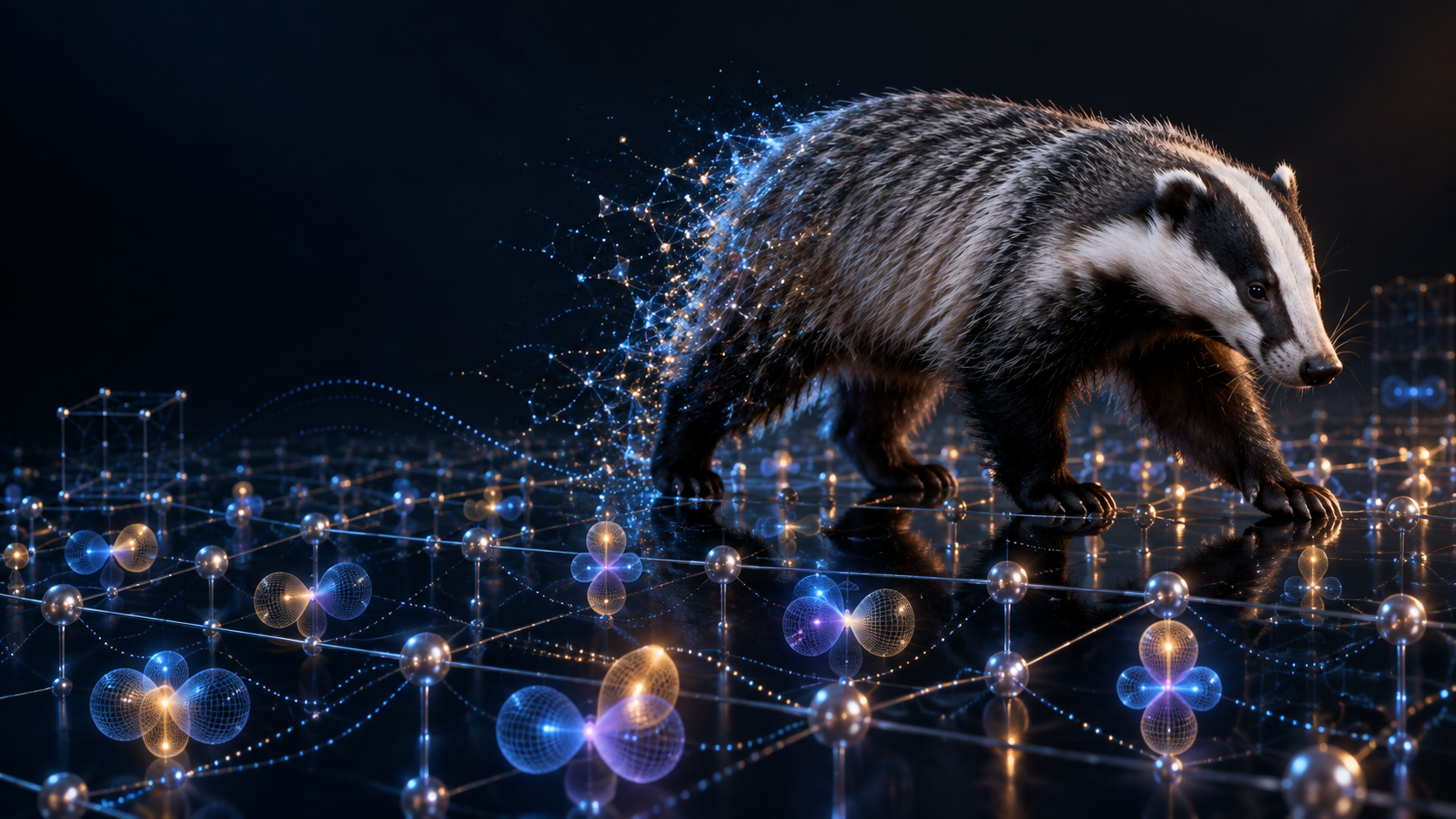
“Berkelbach’s Badger”, candidate for periodic coupled cluster.
Multireference and excited states: “Runge’s Raccoon”
Multireference and excited-state extensions. Roadmap candidate.
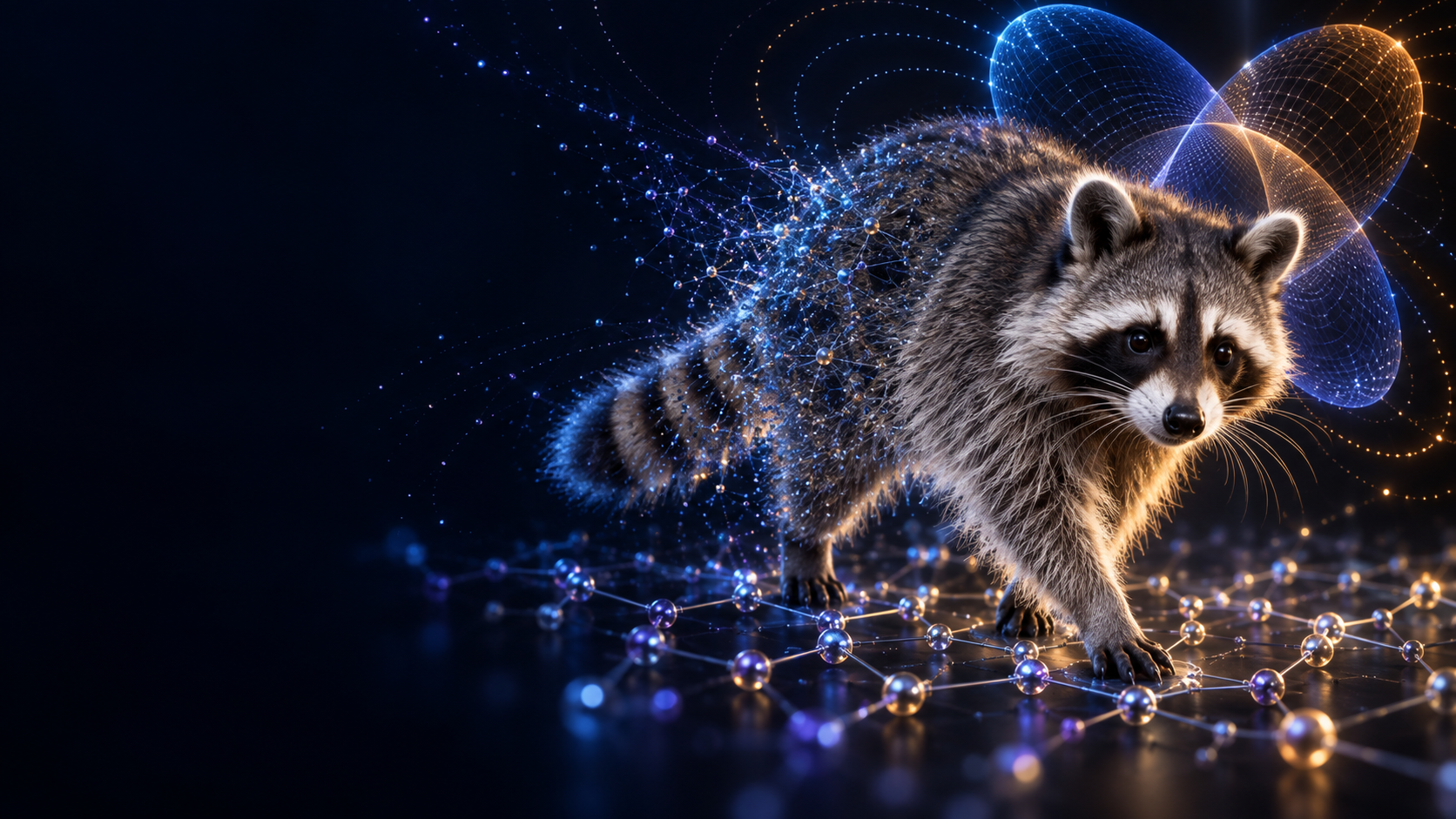
“Runge’s Raccoon”, candidate for multireference and excited states.
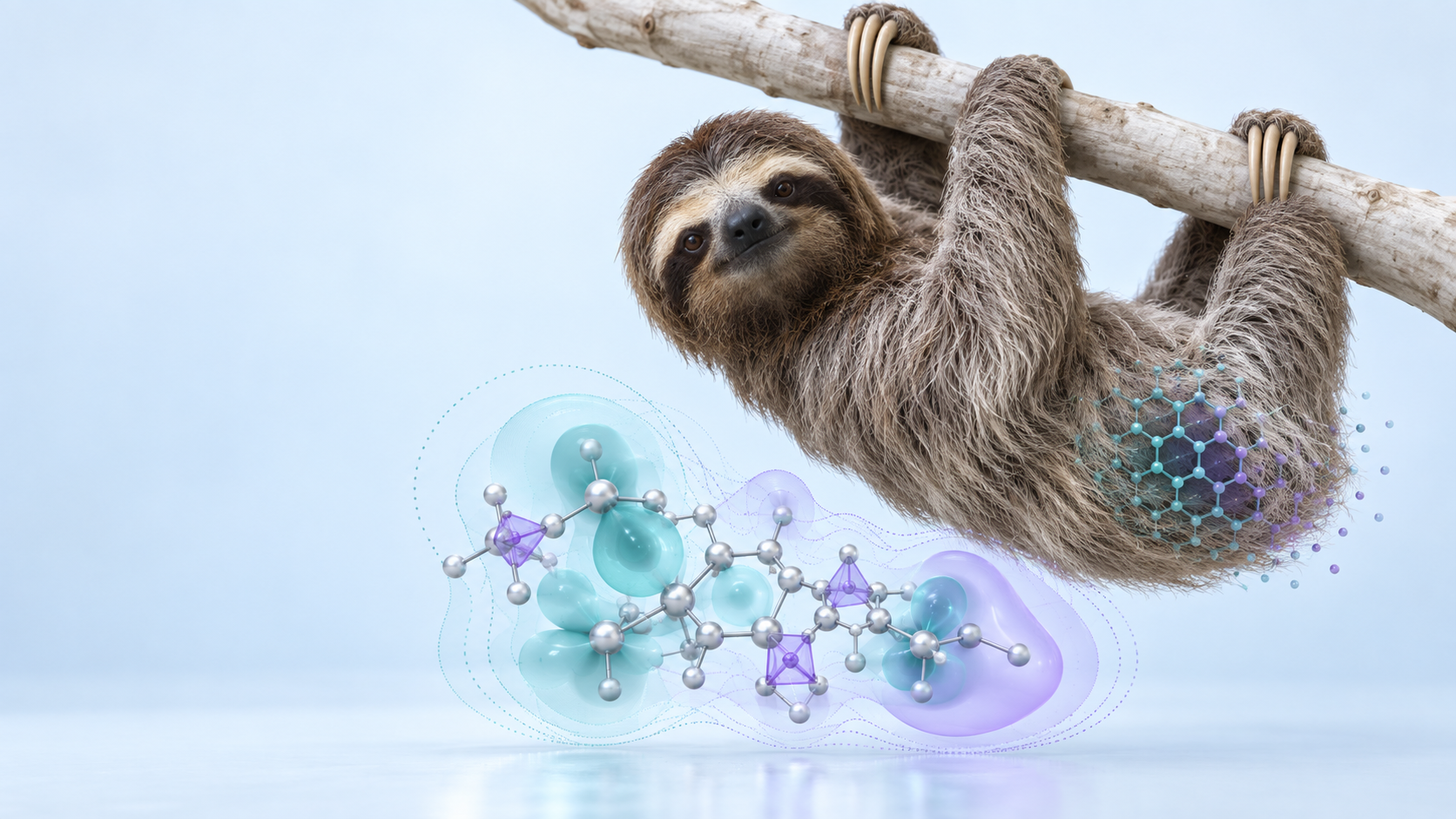
Properties suite: “Stone’s Sloth”
Properties suite. Roadmap candidate.
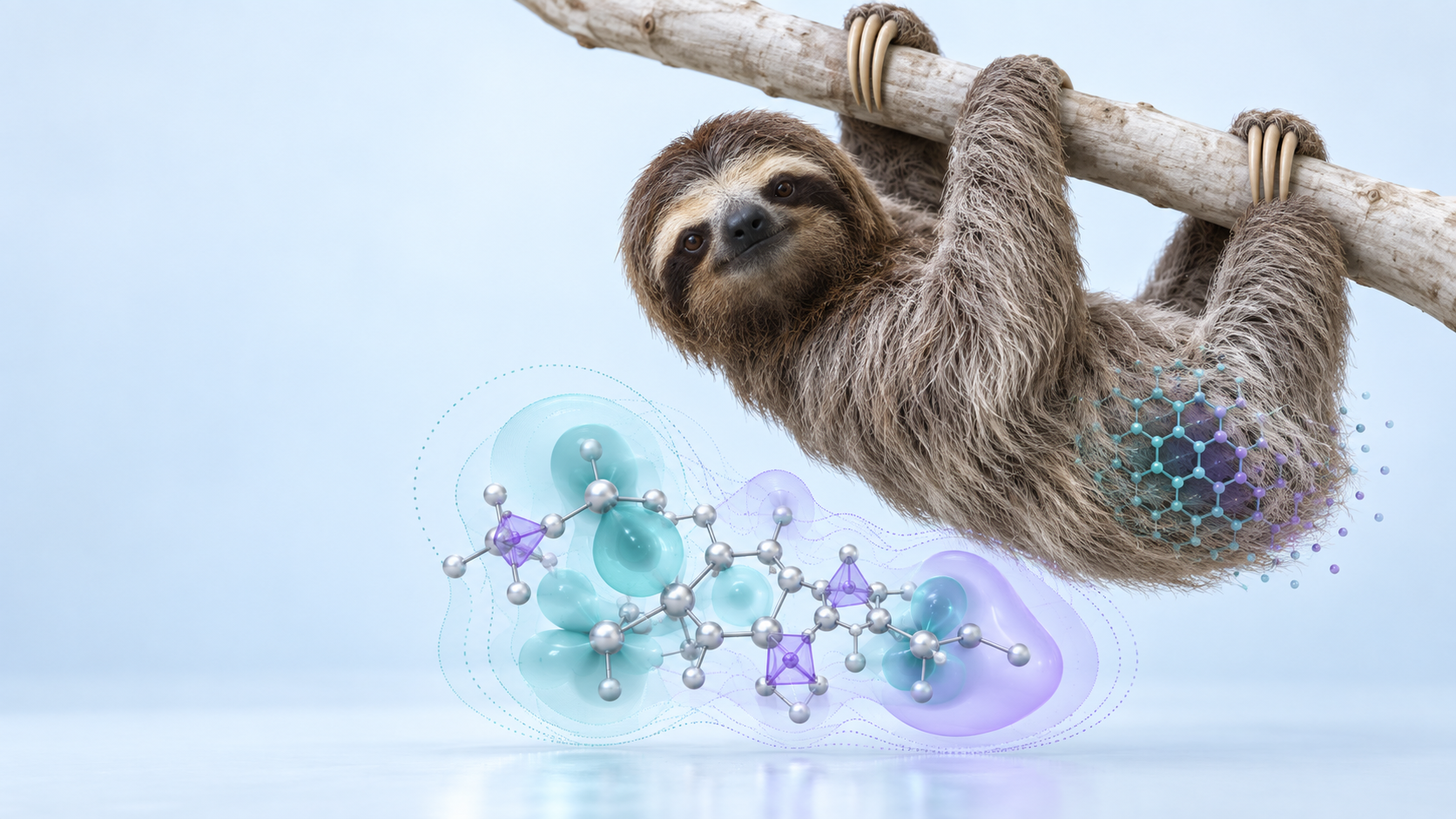
“Stone’s Sloth”, candidate for properties suite.
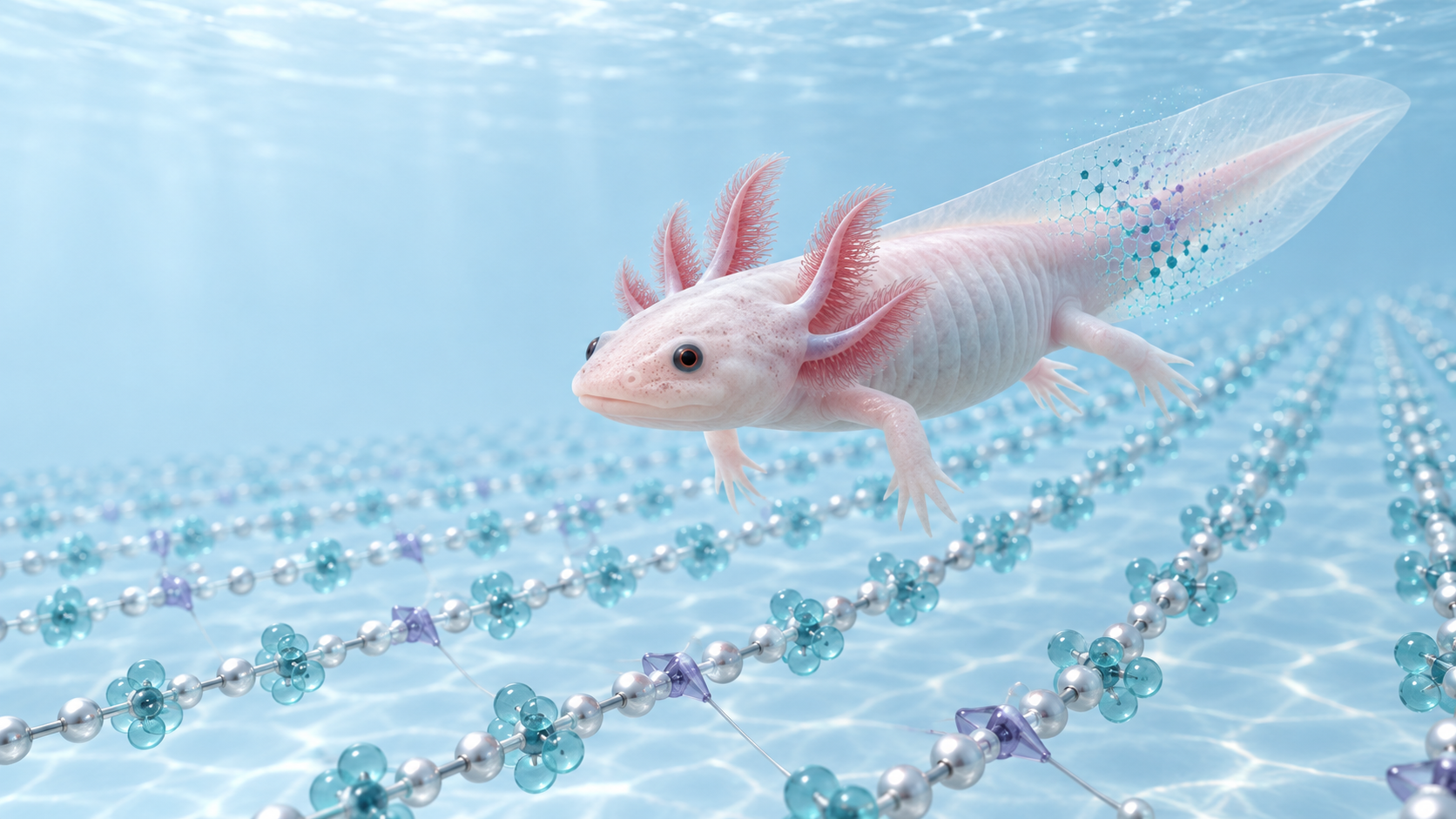
Production MPI and scaling: “Amdahl’s Axolotl”
Production MPI and large-system scaling. Provisional artwork proposal.
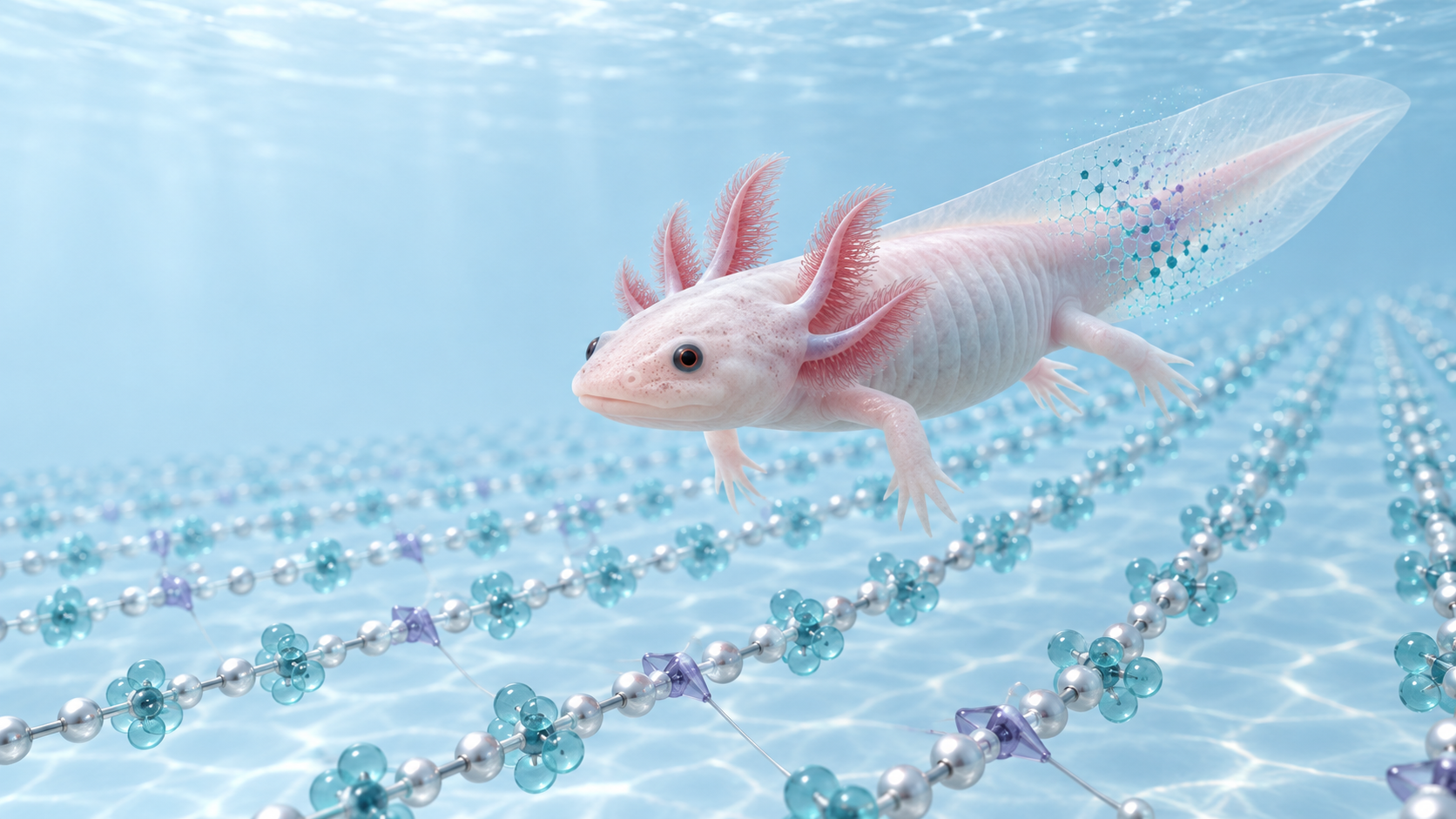
“Amdahl’s Axolotl”, candidate for production mpi and scaling.
v1.0.0 “Schrödinger’s Llama”
Molecular and periodic feature completeness. Provisional artwork proposal.
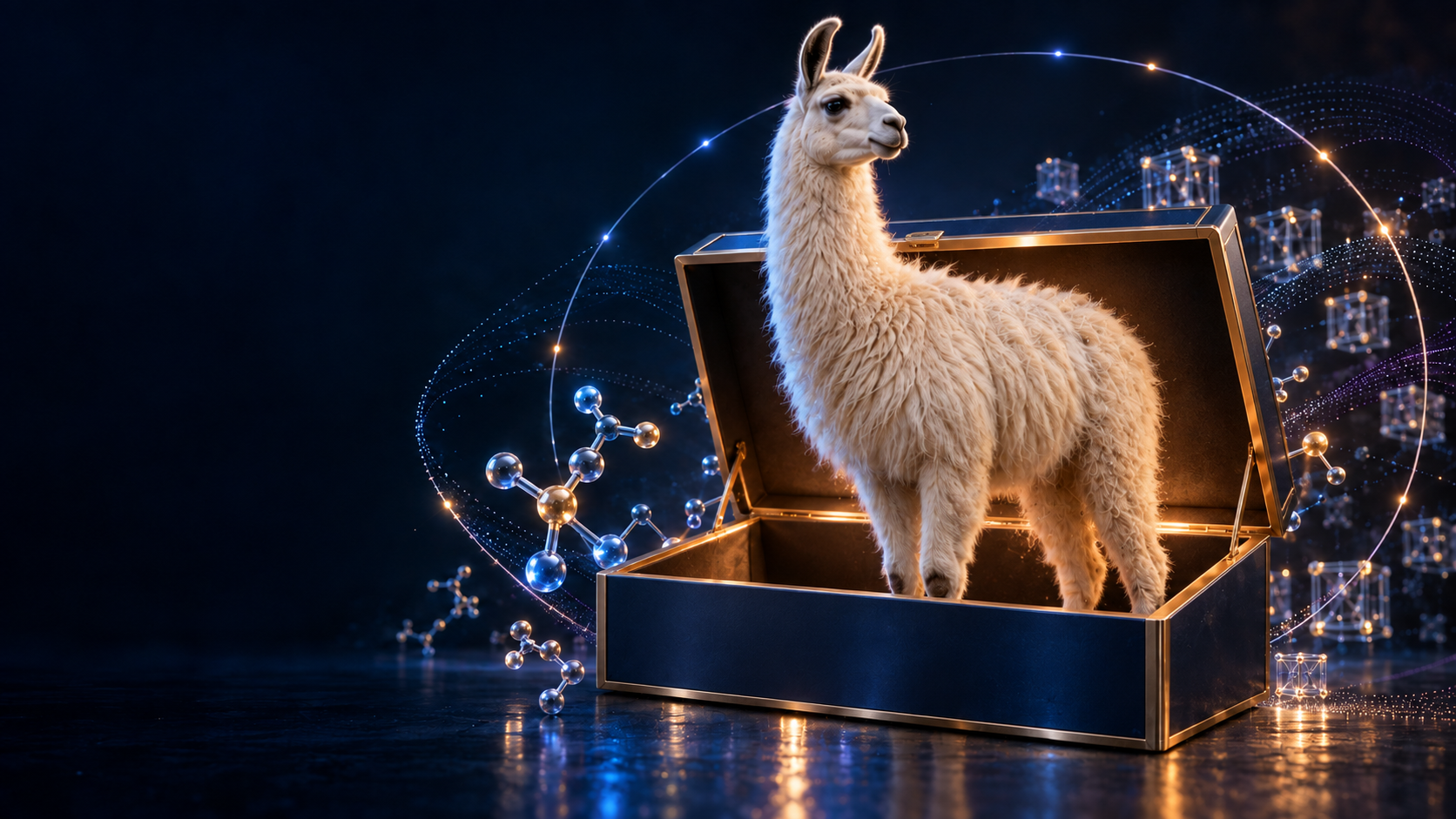
v1.0.0 “Schrödinger’s Llama” - planned artwork.
House style
The series has a fixed specification. It is recorded here because it is permanent: it applies to every future codename image, not to any one release. It was previously carried only in a per-release image brief in the release drop-box, which is deleted once a cut completes.
Canvas. 1672 x 941 px (16:9), PNG, roughly 2 MB. Every image in the series uses exactly this.
Two treatments. Pick one; do not blend.
A. Light studio (v0.14 Bartlett’s Goose, v0.15 Neese’s Cheetah, v0.16 Pople’s Puffin, v0.17 Tew’s Tern). Near-white or pale-blue seamless background, soft even studio light. The photoreal animal is on a glossy white surface carrying a ball-and-stick molecular lattice: silver-white atoms, thin grey bonds, translucent teal orbital lobes, occasional violet triangular motifs. Part of the animal’s natural patterning dissolves into a hexagonal lattice or orbital texture in teal and violet. Gentle reflections. Calm, clinical, product-shot feel.
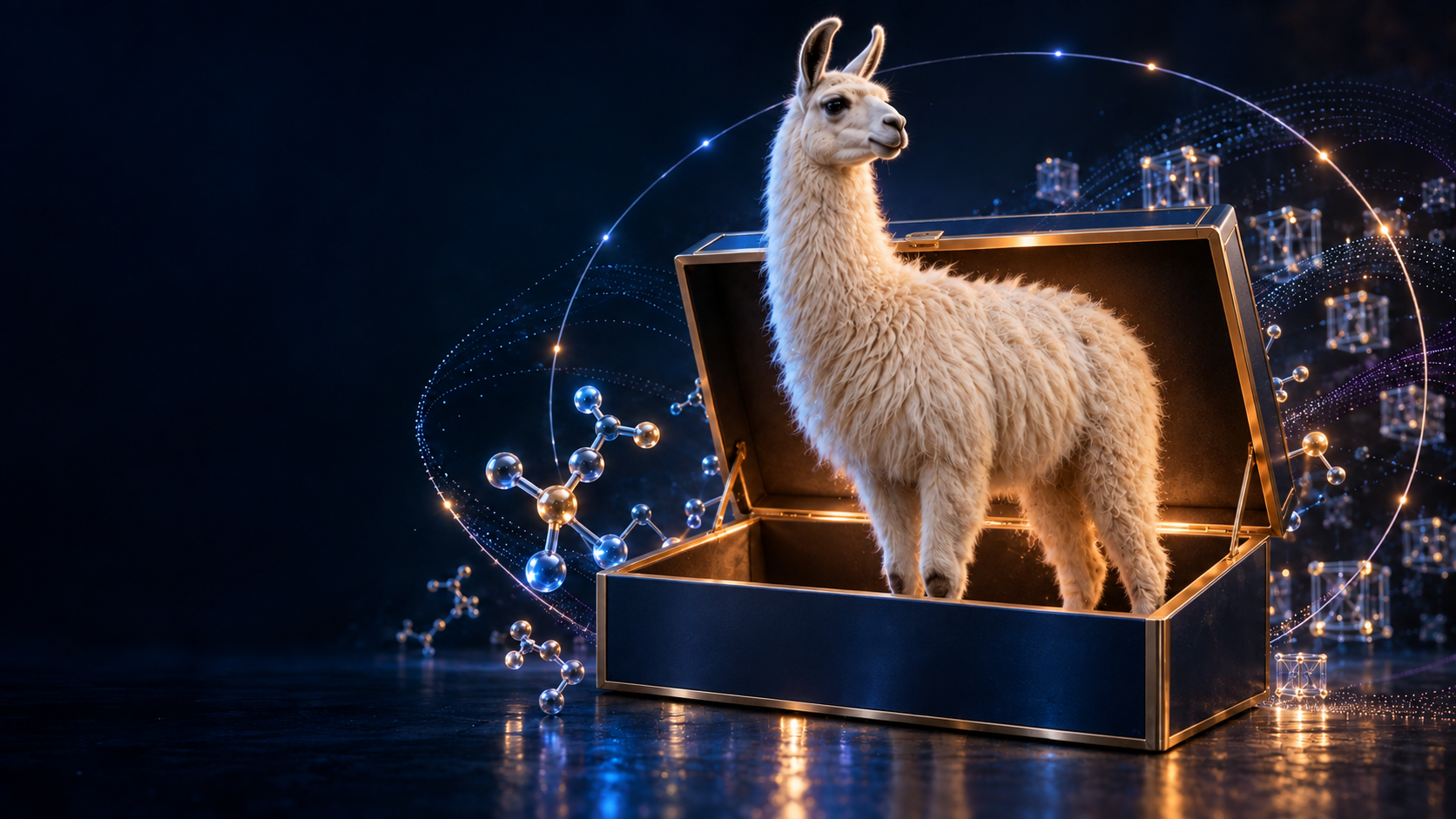
B. Dark cinematic (v0.9 Knowles’s Kingfisher). Deep navy-black background. Photoreal animal mid-motion, trailing edge dissolving into glowing particle networks. Electric blue and warm amber accents, wireframe orbital lobes, faint lattice cubes and flowing dotted field lines. Dramatic, high contrast.
Common to both.
The animal is unmistakably real and anatomically correct, never stylised or cartoon. Species detail matters: a puffin’s bill is drab and wrong out of breeding season, and getting it wrong defeats the image.
No text, no lettering, no logos, no watermark anywhere in the frame.
Leave the left third relatively empty. The documentation page crops and overlays there.
The scientific motif is an artistic metaphor for the release’s capability, never a literal diagram.
Negative prompt, as a starting point. text, watermark, logo, cartoon, illustration, stylised, low detail, winter or off-season plumage, cluttered background.
Once an image exists.
Save it as
docs/_static/images-codenames/NN-vibe-qc-vX.Y.Z-codename-slug.png, continuing the existing numbering. Prepared but unassigned artwork lives in theupcoming/subdirectory until its release is cut.Record the final prompt, version, candidate status and generator in
prompts.json.Reference it from the homepage release admonition in
docs/index.md, with alt text in the established form: “AI-generatedcodename artwork for vibe-qc vX.Y”. Add a tile to
vibe-qc-codenames-contact-sheet.png. Its geometry, measured from the sheet itself so it does not have to be re-derived: canvas 1908 x 1022 on background#171C20; tiles 360 x 203, five per row, column origins x = 18 + 378i, row origins y = 18 + 251j; captions left-aligned to the tile in Arial 18 at#E6ECF2, with their ink top 15 px below the tile (rows 233, 484, 735, 986). Resize the source PNG to 360 x 203 and paste; regenerating the whole sheet is not necessary and risks disturbing the existing tiles.Run
docs-buildbefore pushing.tests/test_docs_download_links.pyguards_static/downloads/, not this directory, so no test needs updating.